It lies in understanding when different manufacturing methods should work together and where each process adds the greatest value.
The most effective engineering solutions are often created by combining the strengths of multiple technologies. A component may require the strength of a machined metal part, the flexibility of an additively manufactured feature, or the durability of a hardened wear surface.
The engineering challenge is rarely selecting a single manufacturing process. It is identifying the most appropriate combination of materials, manufacturing methods and engineering disciplines to achieve the desired outcome.
By combining the rapid prototyping capability of RAD Additive with the engineering expertise of MedTec Design Services, we help technical teams evaluate options, validate concepts and make confident engineering decisions throughout product development.
We are not committed to a specific manufacturing process. We are committed to finding the engineering solution that works.
The Enduring Importance of Engineering Fundamentals
Manufacturing processes may evolve, but engineering principles remain the same.
Material selection, tolerances, surface finish and environmental performance continue to be critical considerations. A 3D printed component must still perform under load, interface correctly with other parts and operate reliably throughout its service life.
Understanding these constraints ensures that additive manufacturing moves beyond concept models and becomes part of a robust engineering solution.
Accelerating Validation and Reducing Uncertainty
One of the greatest advantages of additive manufacturing is the ability to validate ideas earlier in the development process.
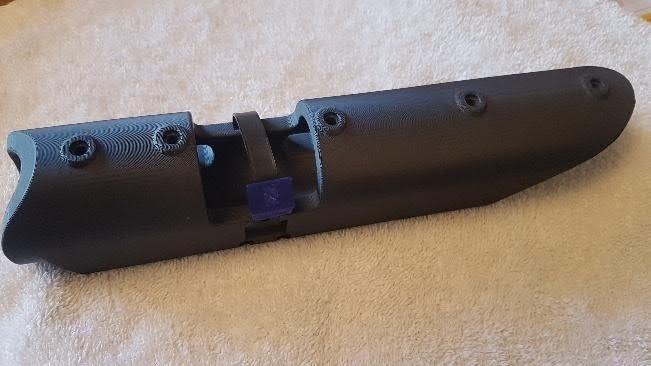
Rapid prototypes allow engineers to evaluate form, fit, function and assembly before committing significant time, tooling investment or production resource. Physical prototypes often reveal issues that are difficult to identify on screen alone.
Earlier validation is not simply about producing prototypes more quickly. It is about reducing uncertainty and enabling better engineering decisions when changes are easier and less costly to implement.
Selecting the Right Manufacturing Approach
Knowing how to manufacture a component is just as important as knowing how to design it.
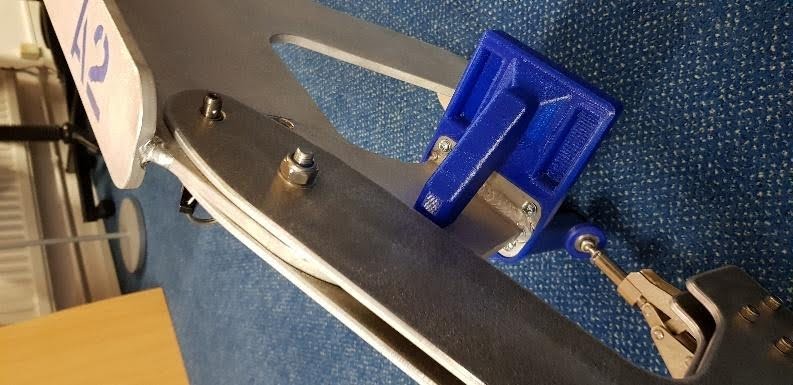
DfAM enables engineers to create geometries and features that would be difficult or impossible to achieve using conventional methods. Equally, CNC machining, fabrication, moulding and casting continue to offer significant advantages depending on the application.
Material properties, tolerances, production volume, cost, inspection requirements and environmental conditions all influence the decision.
In many cases, the most effective solution is not additive manufacturing or traditional manufacturing, but a combination of both.
Hybrid Manufacturing in Practice
Engineering problems rarely conform to a single manufacturing process.
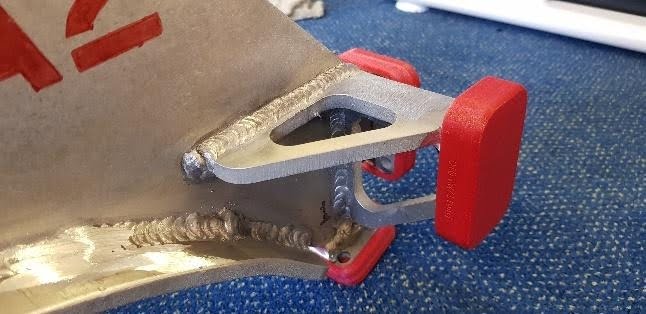
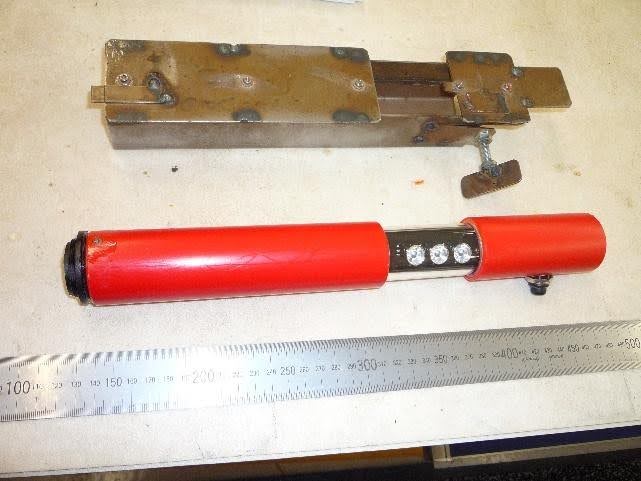
Specialist tooling, fixtures and production equipment often combine fabricated or machined structures for strength and rigidity with additively manufactured features that provide complex geometry, replaceable contact surfaces or improved operator interaction. Hardened inserts, drill bushes and other conventional components can then be incorporated where wear resistance and precision are critical.
By selecting the most appropriate process for each feature, engineers can create solutions that are more practical, adaptable and cost-effective than either process could achieve independently. This approach is used throughout our work, from production tooling and manufacturing aids through to functional prototypes and low-volume engineering solutions.
From Concept to Production
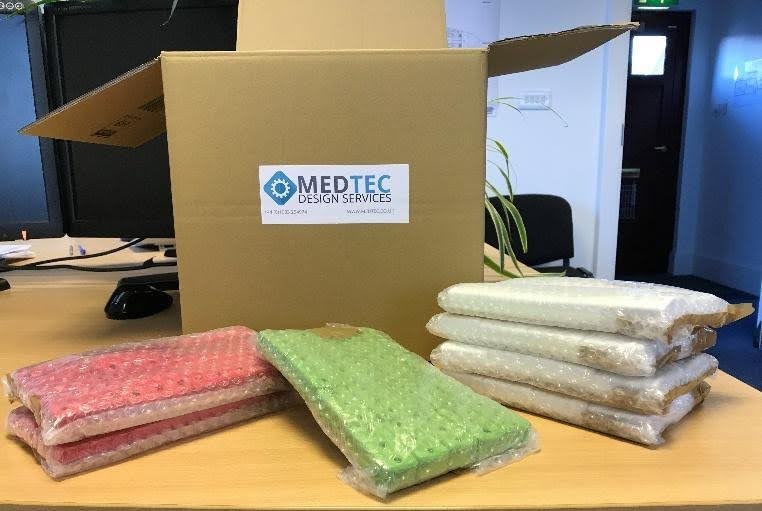
By combining engineering design, additive manufacturing, traditional manufacturing methods and practical validation techniques, we help organisations move confidently from concept through development, manufacture and production support.
If your R&D team needs a partner who understands both traditional design and modern manufacturing, and can help you make confident engineering decisions from concept through to production, contact us today to discuss your next project: https://medtec.co.uk/contact